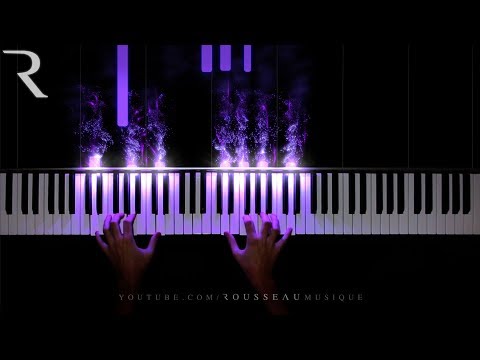
Your edition, readable at arm's length.
Both sides are the same scan, on the same screen. Left, the A4 PDF fit to the page. Right, the same page laid out for the device you actually propped on the music desk. Drag the seam.

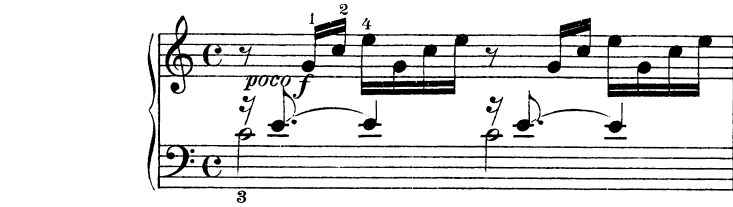
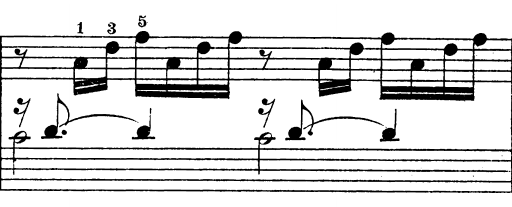
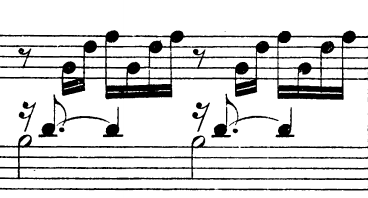
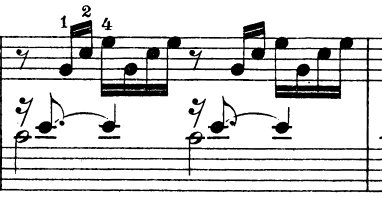
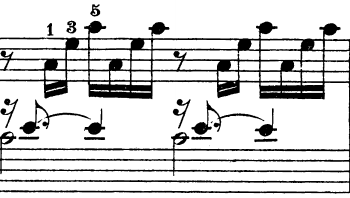
Every piece you're working on, one shelf.
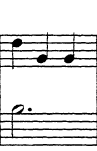
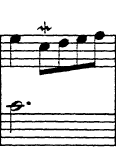
Different books, different scanners, different centuries of plate wear. One paper tint over all of them, so a repertoire reads as a collection instead of a pile of photocopies. Nothing is re-set from a file: the plate is what you read.

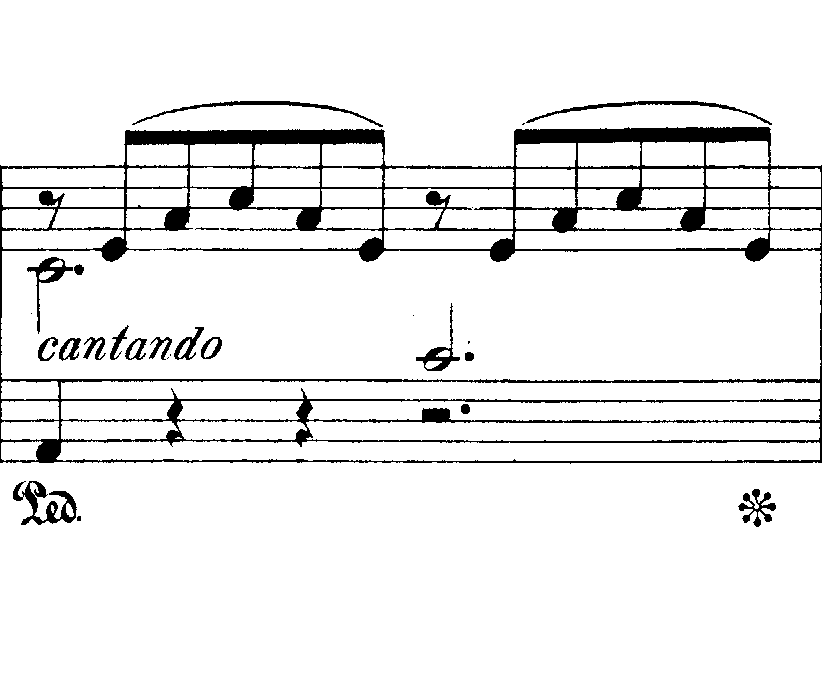
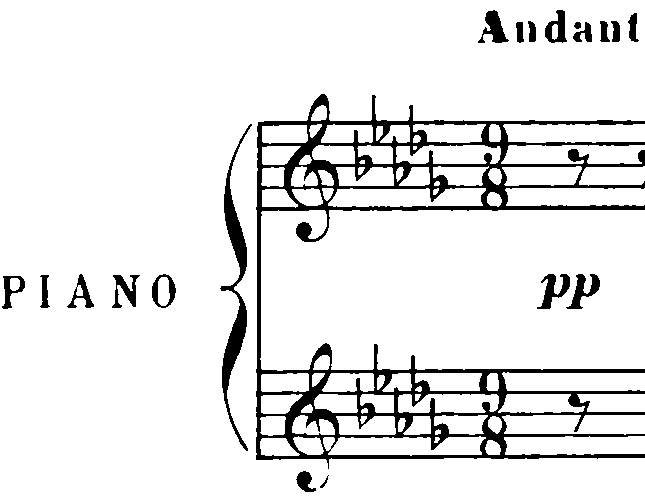
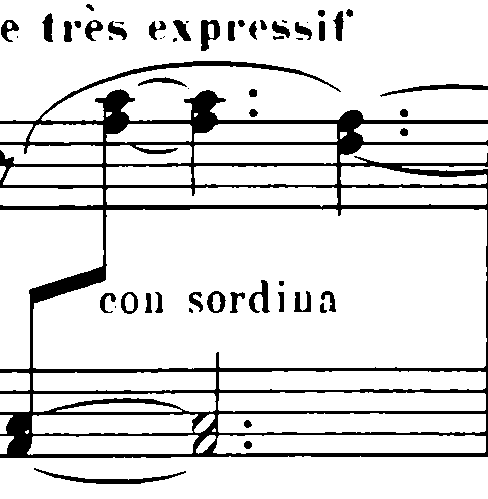
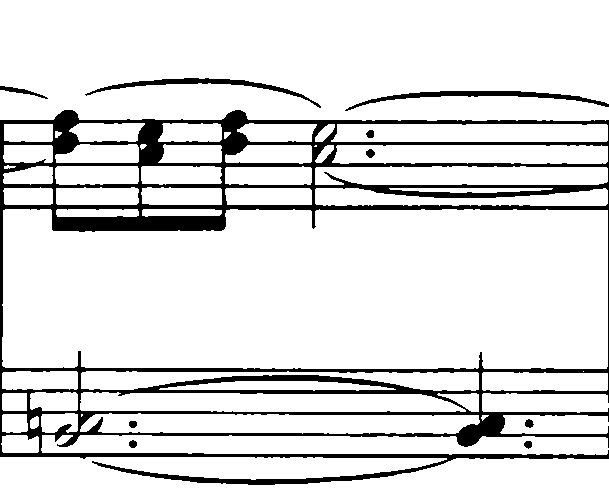
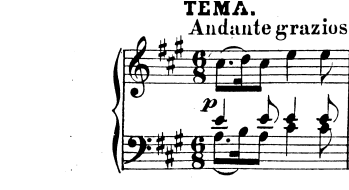
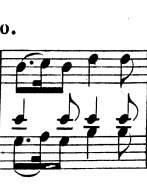
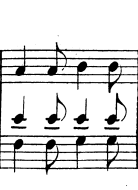
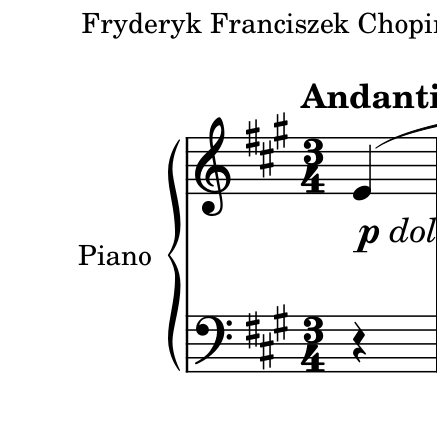
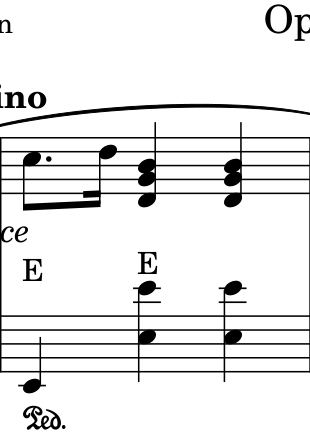
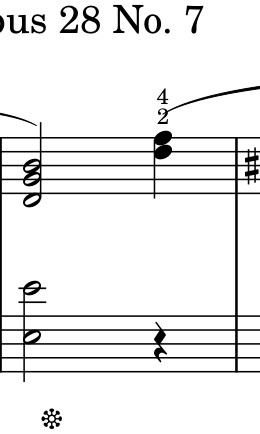
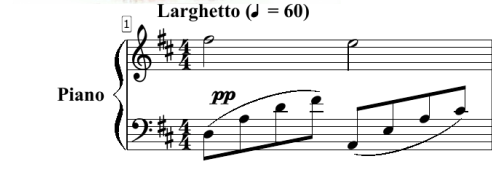
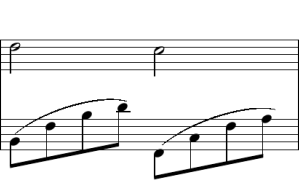
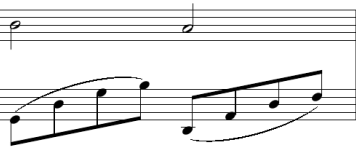
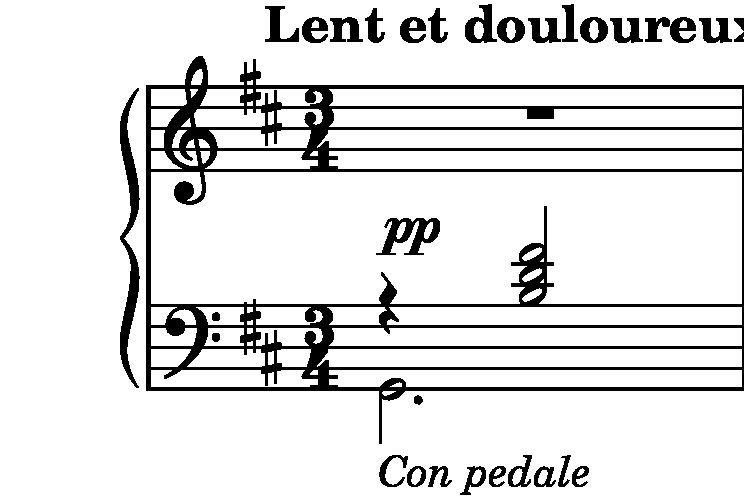
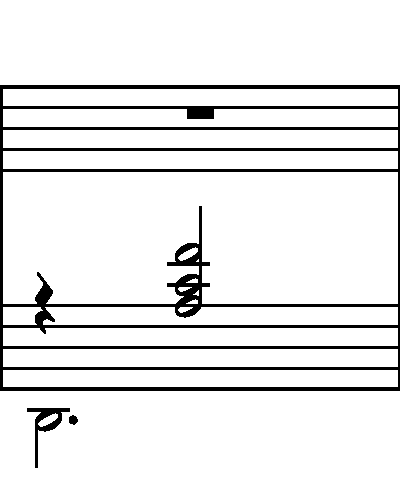
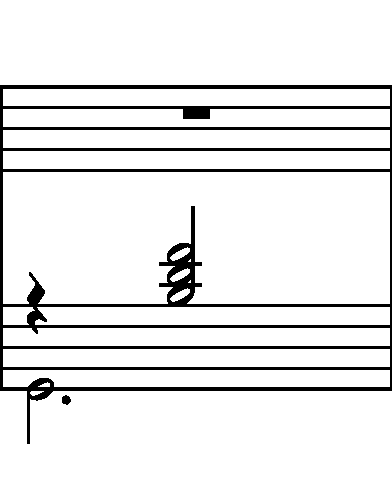
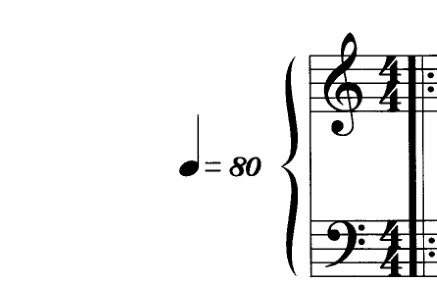
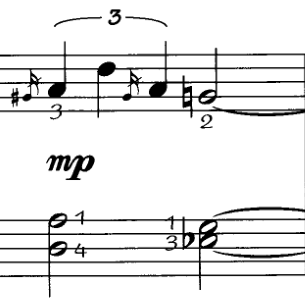
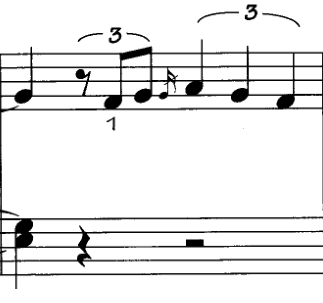
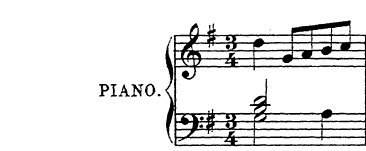
It's a screen, so it turns its own pages.
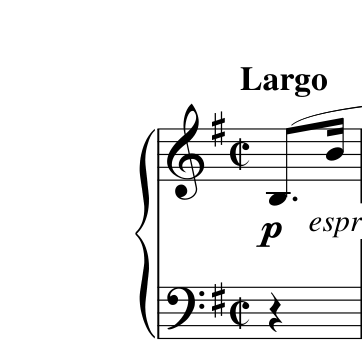
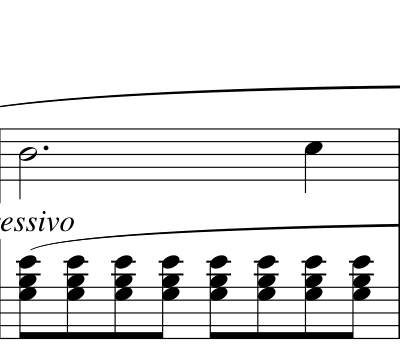
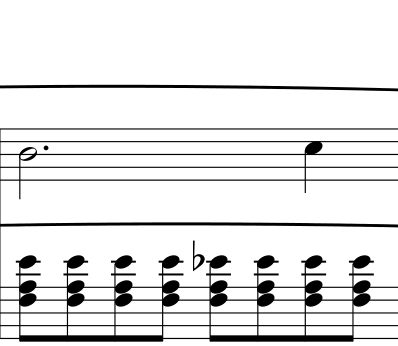
Propped on the music desk, the score lays itself out for the device instead of for a sheet of paper. Nothing to hold open, nothing to weigh down.
A tablet is the size to read it at, and the bigger the better. It works on a phone too, which is the one that matters when you meet a piano you weren't expecting: your repertoire is in your pocket.

Study, while it's still hard.
Drill it bar by bar: pick a range, loop it, pencil in the fingering that finally works.
And when a piece has a recording, the playhead follows a real performance across those bars, so you can watch how someone who plays it well handles the passage you keep losing.


Perform, once it isn't.
The engraving fills the screen, re-laid out for the device rather than for a sheet of paper, with your own fingering still on it.
Most pieces have no recording at all: only staff can attach one. This stage never needed one.


What it never does.
- No microphone and no MIDI. It never hears you play.
- No score out of ten, no “you missed bar 14”.
- No streaks, no badges, no reminders to come back.
- No re-engraving. Your edition stays your edition.
It holds the pieces you're working on: one on the free plan, up to thirty with Sonata. A repertoire is what you're working on; a shelf holding everything you own is a library instead.
Something to start on, already cut.
Public-domain editions (Bach, Chopin, Satie) scanned, cut into bars and waiting on the shelf. Every one is a page somebody printed, which is why the shelf grows a piece at a time rather than a thousand at once. Add one to your library, or upload the copy you've been marking up for months: one piece on the free plan, thirty with Sonata.